Integrating a Vertical Shaft Engine with a Hydraulic Log Splitter
In the woodworking and log splitting industry, hydraulic log splitters are essential for their power and efficiency. However, integrating them with a vertical shaft engine requires careful attention to detail. The key to seamless operation lies in selecting the right engine size and matching it with the hydraulic system’s specifications. Misalignment or underpowered engines can lead to inefficiency or mechanical failure.
 8
8
To ensure safety and optimal performance, it’s important to follow best practices during installation. This includes ensuring proper mounting, checking engine alignment, and regularly maintaining both the engine and hydraulic components. By taking these steps, practitioners can enhance productivity and extend equipment lifespan.
Overview of Vertical Shaft Engines and Hydraulic Log Splitters
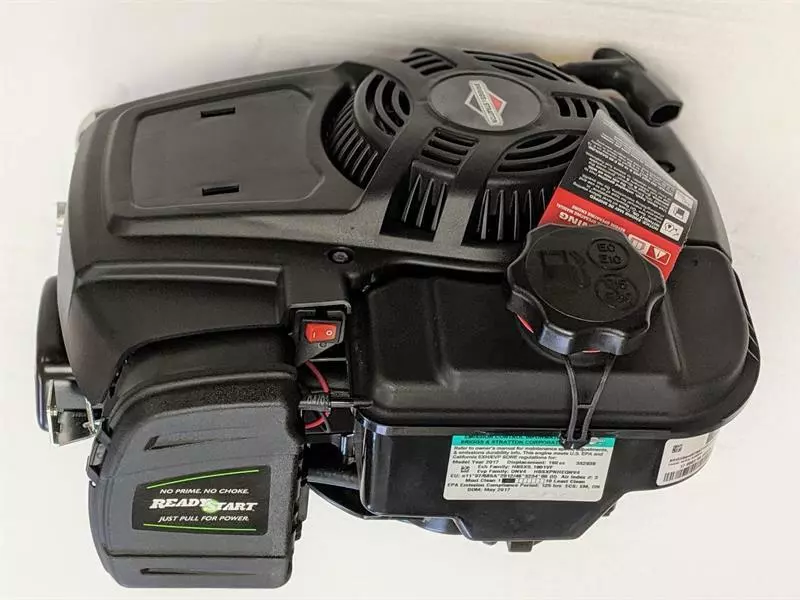
Vertical shaft engines are widely used across various industries due to their efficient design and compact size. These engines feature a vertical crankshaft, which makes them ideal for applications where space is limited, such as in lawnmowers, small tractors, and log splitters. The simplicity and durability of vertical shaft engines allow for powerful, reliable operation with minimal maintenance.
In the context of log splitting, hydraulic log splitters are favored for their ability to handle large, tough logs with ease. Powered by these engines, hydraulic systems generate high-pressure force, enabling the splitter to apply significant force to break down logs efficiently. The integration of vertical shaft engines with hydraulic log splitters allows for enhanced productivity, offering a seamless operation that combines the precision of hydraulic power with the reliability of vertical shaft engines.
Understanding how to pair these components effectively is key to optimizing performance and ensuring long-lasting, trouble-free equipment.
The Role of Vertical Shaft Engines in Log Splitters
Vertical shaft engines play a critical role in the performance and efficiency of hydraulic log splitters. These engines feature a vertically aligned crankshaft, which suits applications like log splitters, where compact design and a high power-to-size ratio are essential. When integrated with hydraulic systems, vertical shaft engines offer the perfect balance of power and space efficiency, providing the necessary torque to drive the hydraulic pump effectively.
This configuration maximizes the efficiency of the log splitter, allowing it to handle heavy loads and large logs with minimal effort. The vertical shaft engine’s ability to operate at higher power outputs relative to its size also ensures that log splitters can tackle more demanding tasks without compromising on performance.
By using vertical shaft engines, log splitter manufacturers and operators can create machines that are both powerful and efficient, improving overall productivity in wood processing operations.
Key Considerations in Engine and Log Splitter Integration
When integrating a vertical shaft engine with a hydraulic log splitter, it’s crucial to ensure compatibility between the engine’s power output and the hydraulic system’s requirements. Here are key considerations:
- Power Output vs. Hydraulic Needs: Ensure the engine provides enough horsepower to match the hydraulic pump’s flow rate and pressure demands. An underpowered engine can lead to inefficiency and premature wear.
- Torque Generation: The engine must generate sufficient torque to drive the hydraulic pump effectively, especially when splitting large, dense logs.
- Engine Durability: Consider the engine's long-term performance and maintenance needs to ensure it can withstand continuous use in demanding log splitting operations.
- Component Compatibility: Double-check that the engine and hydraulic system are well-matched in terms of size, power, and mounting options to avoid operational issues. By aligning the engine’s output with the hydraulic system's needs, you can maximize performance and avoid potential mechanical failures.
Benefits of Integration
- Improved Efficiency: The combination enhances the splitter's overall performance, enabling faster processing of logs and reducing the amount of manual effort required.
- Compact Design: Vertical shaft engines are space-efficient, allowing for more streamlined equipment designs and easier assembly.
- Enhanced Torque: These engines provide high torque, which translates to more powerful and reliable log splitting, especially for tough, dense logs.
- Reduced Cycle Time: Faster processing leads to less downtime, increasing overall productivity in wood processing.
- Long-Term Durability: Proper integration ensures smoother operation, reducing wear on both the engine and hydraulic components, which enhances the equipment’s lifespan.
Challenges Faced in the Integration Process
- Alignment Problems: Improper engine and splitter alignment can cause friction, vibration, and increased wear on components, leading to operational inefficiencies.
- Hydraulic Connections: Ensuring the hydraulic lines are correctly connected to both the engine and the splitter is critical. Leaks, loose connections, or incorrect fittings can compromise performance and safety.
- Engine Compatibility: Not all vertical shaft engines are suited to all hydraulic log splitters. Mismatched engine power or output can result in underperformance or even damage to the equipment.
- Safety Concerns: Poor installation can lead to operational hazards, such as overheating, improper pressure regulation, or mechanical failure.
Step-by-Step Guide to Integration
-
Evaluate Engine and Splitter Specifications:
Begin by examining the specifications of both the engine and the log splitter. Ensure that the horsepower, torque, and hydraulic system requirements align to ensure smooth integration and optimal performance.
-
Align Engine and Splitter Components:
Proper alignment is crucial to prevent operational failures. Ensure the vertical shaft engine is mounted securely and that the crankshaft and hydraulic pump align precisely for optimal torque delivery.
-
Secure Framework:
Install the engine and hydraulic components onto a sturdy, stable framework. This ensures that the equipment remains vibration-free during operation, preventing wear and maintaining performance.
-
Establish Hydraulic Connections:
Use high-quality hoses and fittings to connect the hydraulic system. Ensure the hoses are rated for the required pressure and fluid flow to maintain reliability and safety during operation.
-
Testing and Adjustment:
Once integrated, conduct thorough testing to check for operational efficiency. Look for signs of leaks, improper pressure, or inefficient splitting. Make necessary adjustments to optimize performance, such as tweaking the engine speed or hydraulic settings for maximum output.
Maintenance of Integrated Systems
Regular maintenance is vital to ensuring the longevity and optimal performance of integrated vertical shaft engine and hydraulic log splitter systems. Key maintenance tasks include monitoring hydraulic fluid levels to ensure proper flow and pressure within the system. Insufficient fluid can lead to poor performance, overheating, or even damage to the pump.
Engine oil should also be checked and changed regularly to maintain smooth engine operation and prevent excessive wear. It’s important to inspect the engine and hydraulic components for any signs of wear, leakage, or damage. Regularly cleaning filters, checking for loose bolts, and ensuring that hoses and connections are secure are essential steps to avoid downtime and costly repairs.
Consistent maintenance not only extends the life of the equipment but also ensures that the system runs safely and efficiently, reducing the likelihood of sudden failures during critical tasks.
Industry Standards and Compliance
Maintaining compliance with industry standards is crucial for ensuring both the safety and quality of hydraulic log splitters powered by vertical shaft engines. Manufacturers and industry bodies set forth guidelines that dictate the proper specifications for components, installation procedures, and safety features. Adhering to these standards guarantees that the equipment is designed and operated in a way that minimizes risk, such as overheating, pressure surges, or mechanical failures.
Compliance also ensures that the equipment meets legal requirements and performance benchmarks, offering customers confidence in the reliability of the machinery. Additionally, following these standards promotes environmental responsibility, as many guidelines include requirements for energy efficiency and reduced emissions.
For log splitter manufacturers and operators, staying informed about evolving industry standards is essential for producing safe, high-quality products that meet both regulatory requirements and customer expectations. Regular audits and certifications help maintain compliance and assure operational excellence.
Long-term Considerations and Operational Efficiency
In the long term, focusing on energy efficiency and reducing operational costs is crucial for maintaining the performance and profitability of hydraulic log splitters powered by vertical shaft engines. Opting for energy-efficient engines helps to lower fuel consumption, which directly impacts operational costs. Over time, these savings can significantly offset the initial investment in more energy-efficient engines.
Additionally, energy-efficient engines contribute to reducing the environmental footprint of wood processing operations by lowering emissions. Regular maintenance and timely upgrades, such as transitioning to more efficient engines or hydraulic components, can further enhance operational efficiency and reduce energy waste.
By prioritizing these long-term considerations, operators can not only reduce costs but also extend the lifespan of their equipment. Efficient operation also leads to fewer breakdowns, resulting in less downtime and more consistent performance, which is essential for high-demand industries like woodworking and timber processing.
Resources and Support from Industry Leaders
Engaging with experienced suppliers and manufacturers, such as MO Small Engine Sales, can provide invaluable resources and support during the integration of vertical shaft engines with hydraulic log splitters. Established suppliers offer access to high-quality, reliable components that are specifically designed to work seamlessly together. These industry leaders also provide expert advice, helping operators navigate the complexities of engine selection, installation, and maintenance.
By working with trusted suppliers, customers can ensure they receive the right products tailored to their needs, along with ongoing technical support. Additionally, many industry leaders offer training and troubleshooting assistance, which is essential for maintaining operational efficiency over the long term.
Access to these resources not only streamlines the integration process but also ensures that equipment remains safe, efficient, and compliant with industry standards. Engaging with knowledgeable suppliers is an essential step in achieving sustainable, high-performance wood processing operations.
Conclusion
Integrating a vertical shaft engine with a hydraulic log splitter can greatly enhance efficiency and performance, but it requires meticulous planning and attention to detail. Ensuring compatibility between engine specifications and hydraulic system requirements is crucial to achieving optimal results. Adhering to industry standards is also essential to ensure safety and longevity.
By partnering with industry leaders like MO Small Engine Sales, practitioners can gain access to high-quality components, expert advice, and ongoing support throughout the integration process. Take the next step toward improved operational efficiency—contact us today to explore the best solutions for your log splitter needs!